
Commercial Epoxy Flooring in Sarasota, FL
Retail floors, restaurant kitchens, warehouses, and light-industrial spaces all need a coating chosen for their specific traffic, chemical exposure, and downtime tolerance — not one generic commercial spec.
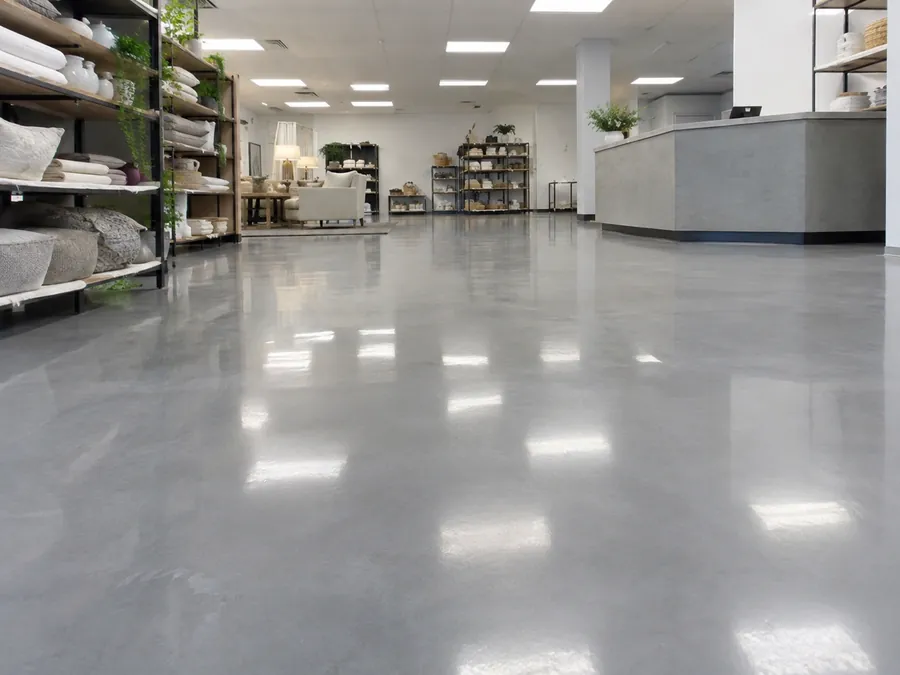
Markets We Serve
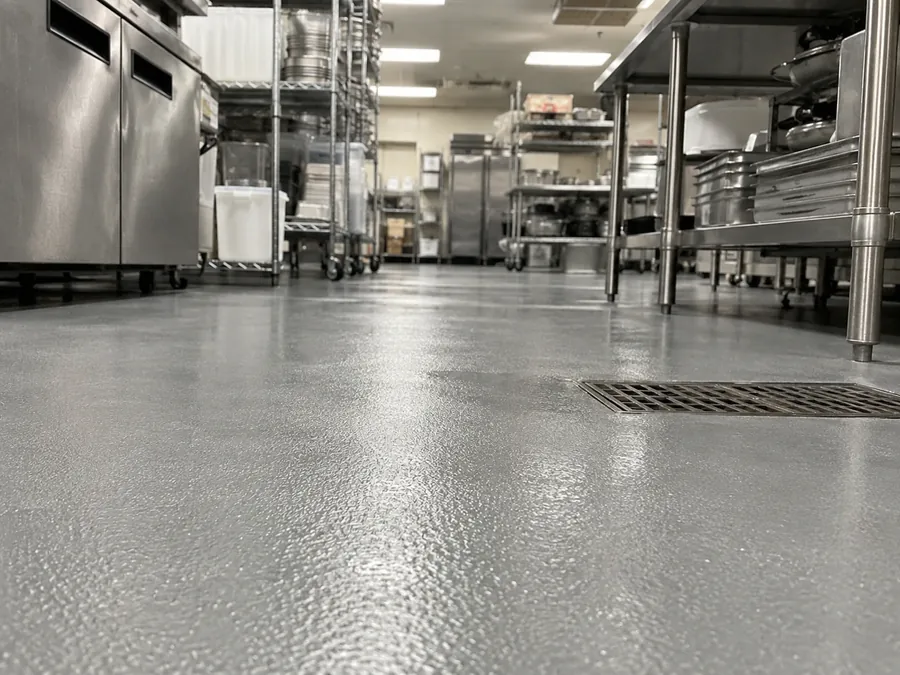
Restaurants & Kitchens
Grease- and stain-resistant coatings with slip-resistant texture for wet, high-traffic back-of-house floors.
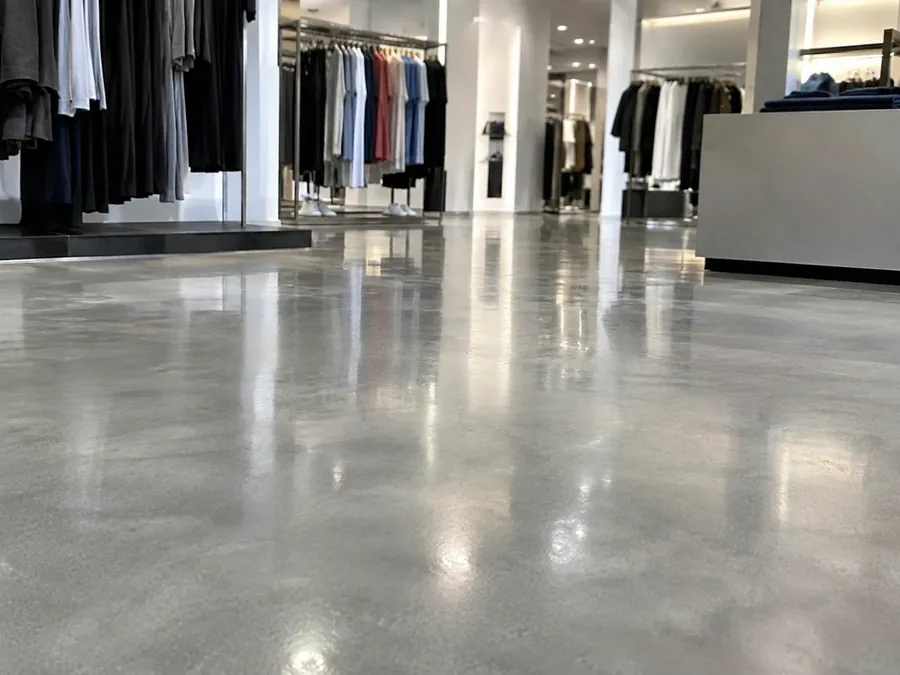
Retail & Showrooms
Seamless, easy-to-maintain floors that hold up to daily foot traffic and present well to customers.
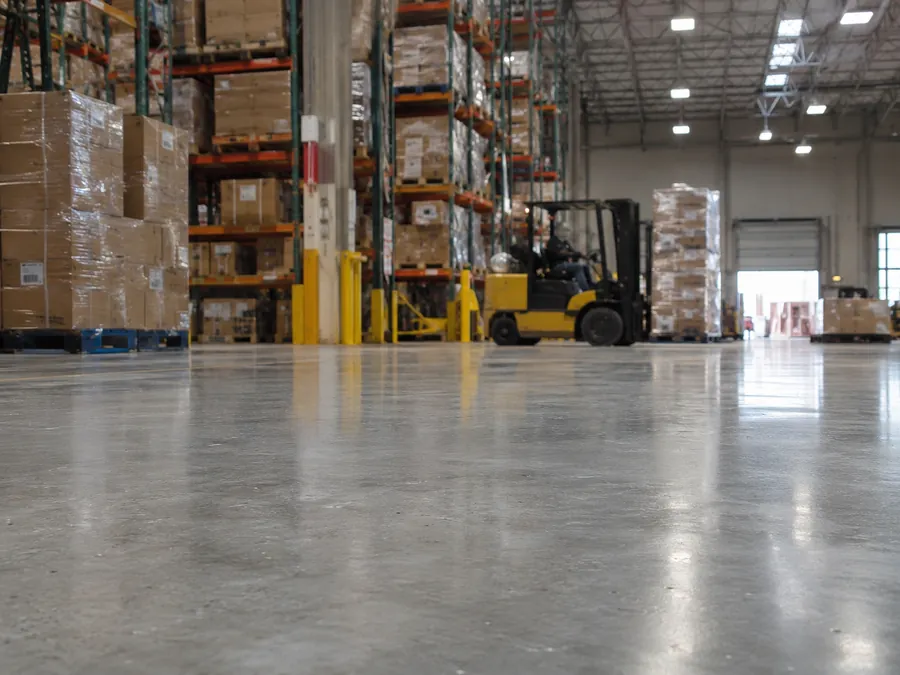
Warehouses & Light Industrial
Heavy-duty systems rated for forklift traffic, pallet loads, and chemical exposure.
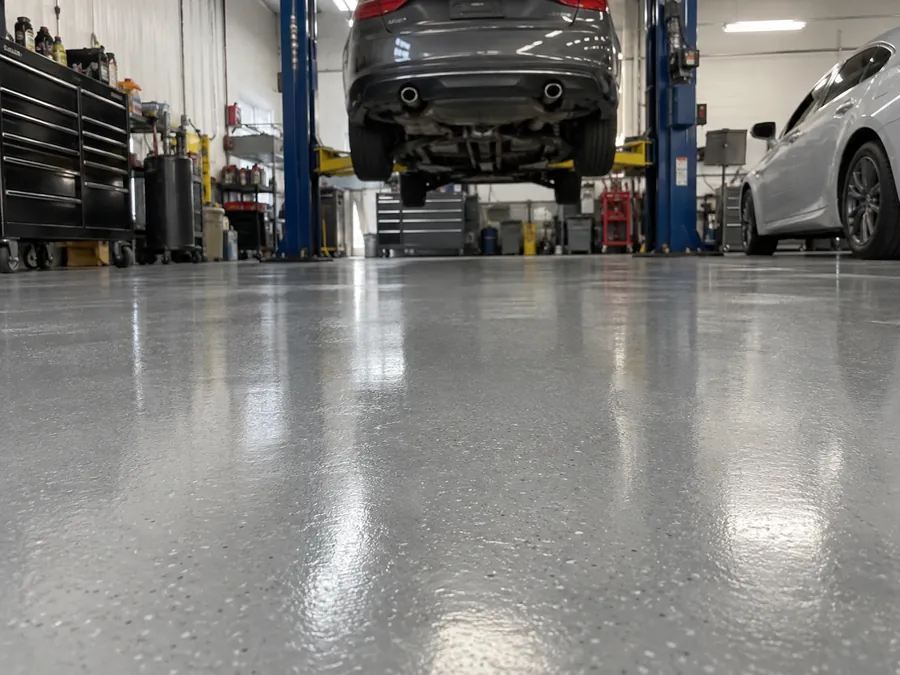
Automotive & Service Shops
Coatings that resist oil, solvents, and heavy equipment weight in a working shop environment.
What Commercial Projects Need to Account For
Traffic and Equipment
Forklifts, pallet jacks, and rolling carts put more sustained load on a floor than typical foot traffic, which affects how thick and durable the coating system needs to be.
Downtime
A business rarely wants to close entirely for a floor project. Polyaspartic's faster cure and the ability to stage larger floors in sections both help minimize disruption.
Chemicals and Spills
Kitchens, auto shops, and light-industrial spaces need a coating chemically resistant to whatever the business actually uses day to day.
Slip Resistance
Required in kitchens and wet areas, optional in dry retail and showroom spaces where a smoother finish looks better.
See our polyaspartic coatings page for more on fast-cure options.
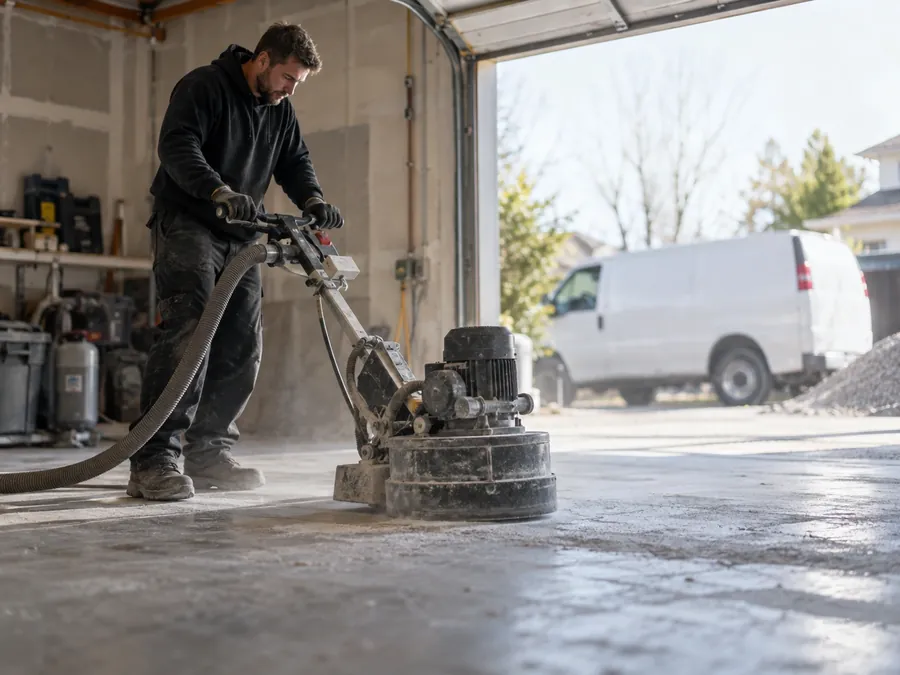
Surface Preparation for Commercial Floors
Commercial slabs often carry years of prior coatings, sealers, or contamination from whatever the space was previously used for. That gets addressed the same way as any project — grinding, cleaning, and moisture assessment before a system is chosen. Full detail on our surface preparation page.
Commercial vs. Residential Coating Considerations
| Factor | Commercial | Residential |
|---|---|---|
| Traffic type | Foot traffic, equipment, forklifts | Vehicle (garage) or foot traffic |
| Coating thickness | Often thicker, heavy-duty systems | Standard residential-grade systems |
| Downtime tolerance | Usually low — staged work or fast-cure systems preferred | More flexible scheduling |
| Chemical exposure | Common in kitchens, shops, industrial spaces | Minimal in most homes |
Commercial pricing follows square footage, slab condition, and coating system like any project, with the added factor of scheduling around business hours or staged installation. See our cost guide for the underlying factors, then call for a project-specific number.
Frequently Asked Questions
How much downtime does a commercial floor coating require?
Can commercial floors be coated in phases to stay open?
What coating holds up best to forklift and heavy equipment traffic?
Do commercial coatings need to be slip-resistant?
Get a Commercial Flooring Estimate
Free on-site assessment for your Sarasota business.